DETT TexPro
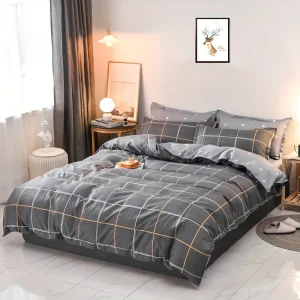
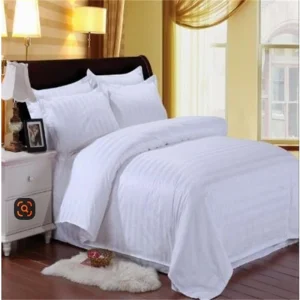
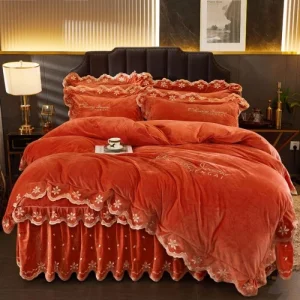
The Global King Bedding Landscape: Premiumization and Sourcing Dynamics
Deep industry insights on thread counts, textile engineering, and shifting buyer requirements in global trade.
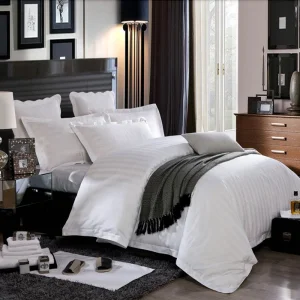
As the international hospitality and high-end residential markets evolve, the demand for premium King Bedding Sets has shifted from simple utility to high-performance, skin-friendly, and sustainable sleeping systems. Sourcing managers and B2B buyers no longer evaluate bedding products solely by price. Modern consumers demand structural integrity, breathability, high thread density, and proven hypoallergenic properties.
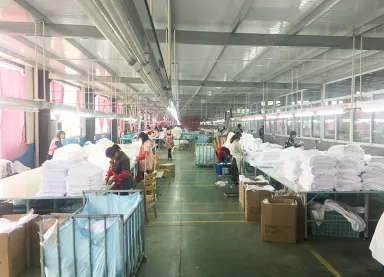
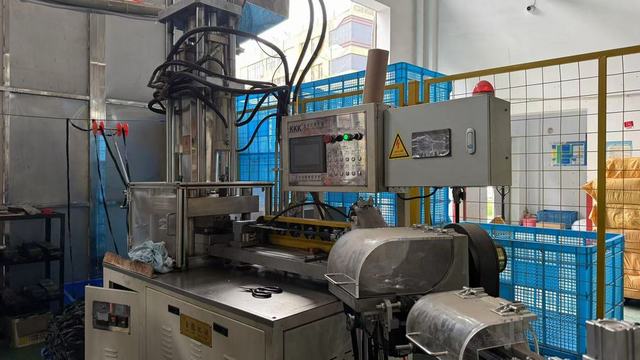
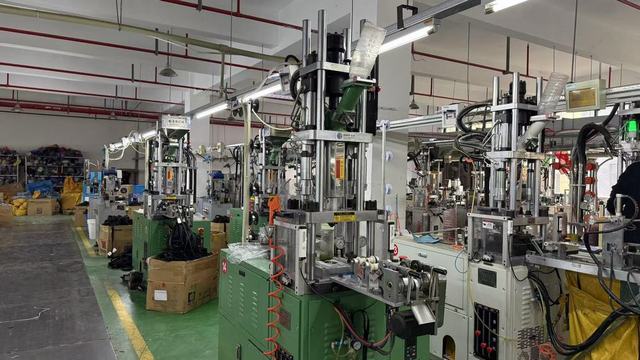
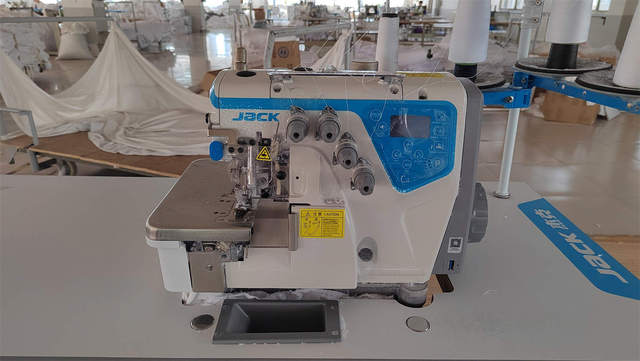
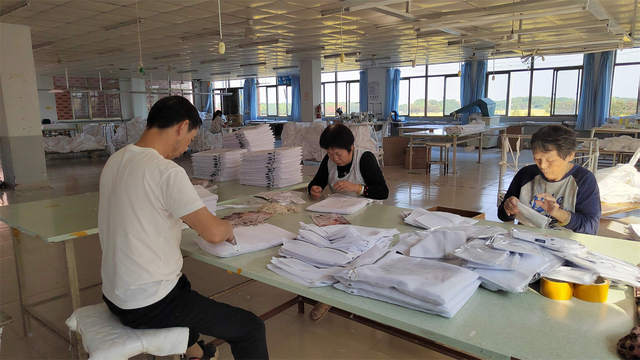
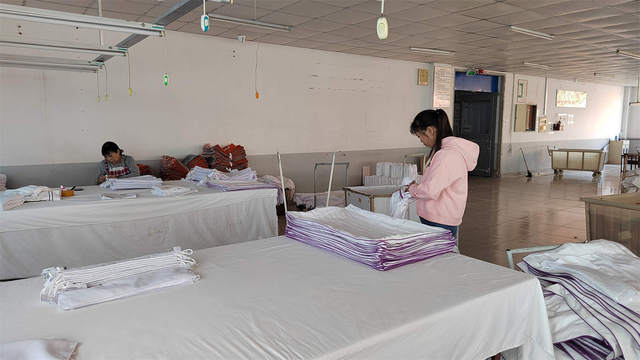
Sourcing direct from top Chinese manufacturing hubs offers unparalleled advantages in material technology and customization scale. The modern Chinese textile ecosystem has transitioned from raw commodity production to high-tech manufacturing, utilizing advanced automated air-jet looms, environment-friendly dyeing finishes, and computerized digital cutting systems to ensure micron-level stitching consistency.
Understanding Sizing and Deep Pocket Engineering for Localized Markets
One of the primary friction points in global bedding supply chains is regional sizing discrepancies. A "King Size" in North America measures 76 x 80 inches (193 x 203 cm), whereas in the United Kingdom, a "King" refers to 150 x 200 cm, and a "Super King" matches 180 x 200 cm. In continental Europe, standard configurations vary further, prioritizing envelope-closure pillowcases and zip-secured duvet covers.
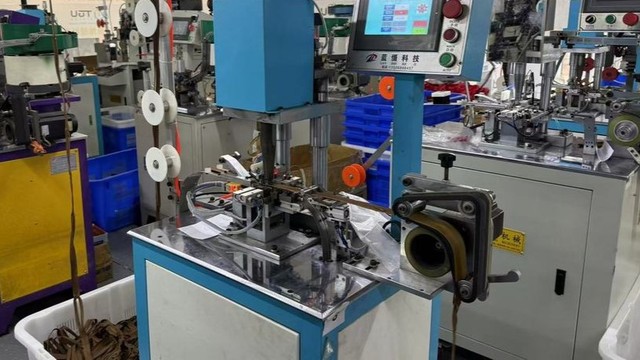
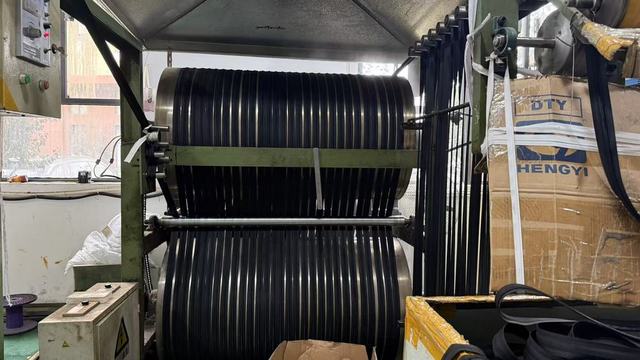
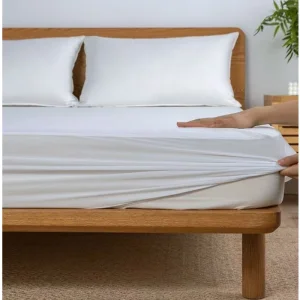
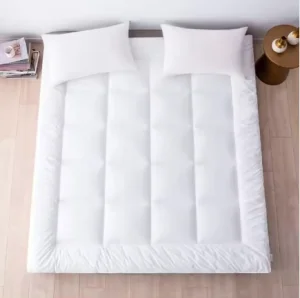
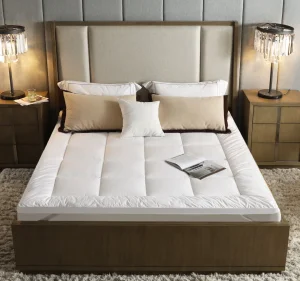
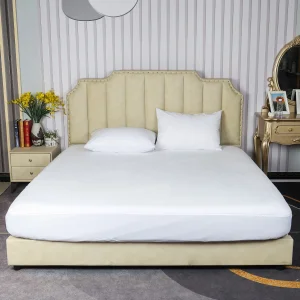
Furthermore, the rapid market expansion of high-profile memory foam, hybrid, and pillow-top mattresses requires sheets with deep pocket configurations. Standard fitted sheets often pop off modern mattresses. Top manufacturers like Dongguan DETT TexPro Co., Ltd. engineer sheets with 40cm to 50cm extra-deep stretch skirts, utilizing high-elasticity continuous border bands to anchor the sheet securely to any mattress profile.