DETT TexPro DETT TexPro

Top 10 Tips on How to Measure a Mattress for Fitted Sheets?

Time:2026-08-21 Author:Sophia
0%

When it comes to choosing fitted sheets, knowing how to measure a mattress for fitted sheets is essential. Many people underestimate the importance of proper measurements. A correctly fitted sheet enhances comfort and aesthetics. Accuracy is crucial, especially since mattresses come in various shapes and sizes.

To obtain the right fit, understanding specific dimensions is vital. This includes length, width, and depth. Each measurement plays a role in ensuring sheets fit snugly and securely. Without proper measurements, you might end up with ill-fitting sheets that bunch or slip off. This can lead to discomfort during sleep and an overall unsatisfactory experience.

In an age where customization is key, knowing how to measure a mattress for fitted sheets ensures your bedding aligns with your needs. It makes a noticeable difference in sleep quality. Even small miscalculations can lead to frustration. Thus, taking the time to measure accurately can save you from future inconveniences. Remember, a good night's sleep starts with the right fit.
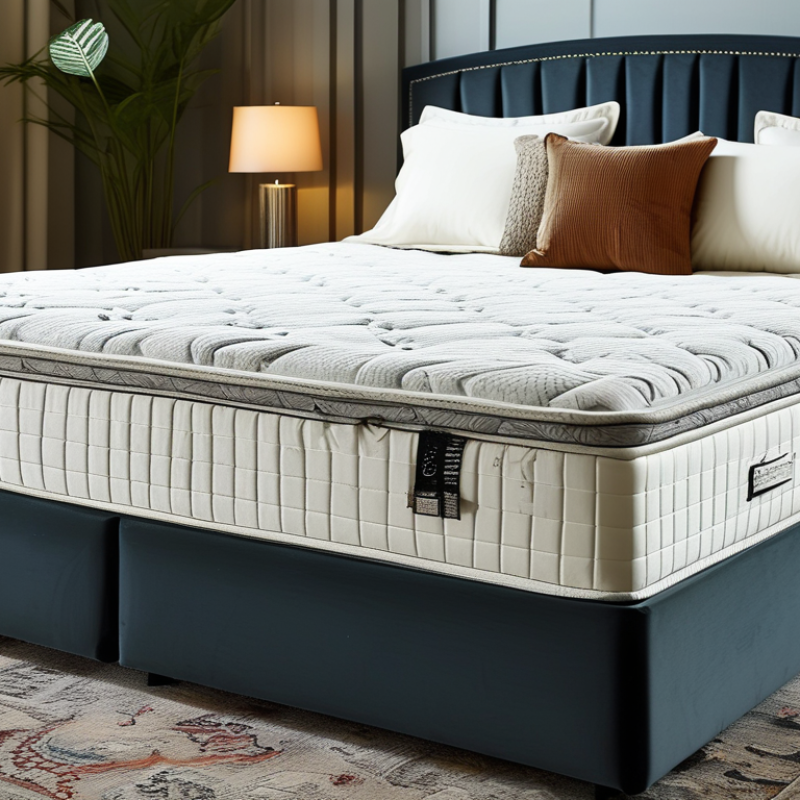
Top 10 Tips on How to Measure a Mattress for Fitted Sheets?

Understanding Mattress Dimensions for Fitted Sheets

Understanding mattress dimensions is key for selecting the right fitted sheets. Mattresses come in various sizes: twin, full, queen, and king. Each has specific measurements. For instance, a standard queen mattress typically measures 60 inches wide by 80 inches long. Knowledge of these sizes helps eliminate errors when purchasing sheets.

Beyond basic dimensions, mattress depth is crucial. Many mattresses have extra padding or toppers. This can increase their height, affecting how fitted sheets fit. Measure the thickness of your mattress from the bottom to the top. Finding sheets that accommodate your mattress's depth prevents premature wear and ensures a snug fit.

Choosing the wrong size can be frustrating. An ill-fitting sheet can bunch or slip off, leading to uncomfortable nights. It’s helpful to keep a tape measure handy. When switching out mattresses, re-measure to avoid mistakes. Don’t forget that not all fitting sheets are created equal, so always refer to the specific measurements listed by manufacturers.

Gathering Necessary Measuring Tools for Accuracy

When preparing to measure your mattress for fitted sheets, gathering the right tools is crucial. Start with a reliable tape measure, ideally one that is at least 100 inches long. Using a flexible measuring tape can help you capture the exact dimensions, especially around corners. If you don’t have one, a string can also work, allowing you to measure the length and width. Just remember to use a ruler to translate that measurement accurately.

You’ll also want a notepad or your smartphone to record your measurements. It’s surprisingly easy to forget numbers when you're in the middle of this process. Accurate measurements can save you from the hassle of ill-fitting sheets and disappointment when they arrive.

Don’t hesitate to measure more than once. Mistakes happen, and sometimes even the most experienced people get it wrong. If your mattress has special features like pillow tops or extra depth, note those as well. This attention to detail will contribute to a better fit. Remember that taking precise measurements is a skill that may take a few tries. Embrace the process and learn from any hiccups.

Top 10 Tips on How to Measure a Mattress for Fitted Sheets

Tip Number Tip Description Measurement Tools
1 Use a flexible measuring tape for accurate circumference. Flexible measuring tape
2 Measure the width from side to side. Measuring tape
3 Measure the length from head to foot. Measuring tape
4 Check the mattress depth at the thickest point. Ruler or measuring tape
5 Note any additional padding for complex shapes. Flexible measuring tape
6 Record dimensions in inches or centimeters. Notebook
7 Double-check measurements for accuracy. Measuring tape
8 Consider the mattress’s weight when selecting sheets. Scale for weight
9 Think about the mattress’s style and edging. Visual inspection
10 Consult the manufacturer’s guidelines if available. Manufacturer’s guide

Measuring Mattress Length and Width Precisely

Measuring the length and width of your mattress accurately is crucial for finding the right fitted sheets. Start by clearing the bed of all bedding. Use a flexible measuring tape for precision. Measure from the longest points on each side. Many people forget to measure corners, which can affect the overall fit.

When measuring, ensure the tape is straight and not sagging. This helps avoid inaccuracies. Mark the length and width clearly. If your mattress has any unique features, like extra padding, that might affect the dimensions, take this into account as well. Mistakes can happen if one assumes standard sizes.

For a thorough approach, measure twice. This might feel tedious, but it’s worth it. Discussing measurements with a friend can provide valuable insight. Remember, an ideal sheet fit is snug but not too tight. Adjust the way you store your sheets to accommodate the accurate size for future reference.

Determining Mattress Height for a Proper Fit

Measuring your mattress correctly is vital to achieve the best fit for your fitted sheets. One crucial aspect of measuring is determining the mattress height. According to industry reports, an average mattress height ranges from 8 to 14 inches. However, newer models can be thicker, often exceeding 14 inches. It's essential to account for this height when selecting sheets to ensure they fit perfectly and do not pop off during the night.

When measuring, use a tape measure to find the height from the base of your mattress to the top. This information is critical for both aesthetics and functionality. A report by the National Sleep Foundation suggests that ill-fitting sheets can lead to discomfort, which may affect your sleep quality.

Choosing the right depth for fitted sheets requires attention to detail. Check the sheet package for depth specifications. Many brands offer different depths, typically ranging from 12 to 18 inches. This variation is crucial, especially if your mattress has additional height from a mattress topper. Take the time to measure accurately and verify your findings. A few extra minutes spent measuring can save you from the hassle of returns or unsatisfactory sleep experiences.

Mattress Height Measurements for Fitted Sheets

Interpreting Size Labels for Fitted Sheet Selection

Understanding size labels for fitted sheets is crucial for achieving the perfect fit on your mattress. When you look at a size label, it typically includes dimensions like width, length, and depth. For example, a standard twin size is usually about 39 inches wide by 75 inches long. However, not all mattresses are of uniform depth, which can make choosing sheets tricky.


Pay attention to the depth measurement. Many mattresses, especially modern ones, can be deeper due to additional padding or pillow toppers. The tag on your fitted sheet should indicate its pocket depth. If a fitted sheet has a depth of 12 inches and your mattress is 14 inches deep, the sheets may not stay securely in place. You may even find yourself adjusting them nightly, which is a frustrating experience.


Also, size labels can vary slightly between manufacturers. The same "queen" designation might mean different dimensions in different stores. Always double-check dimensions before heading to checkout. Don’t rely solely on the label. Have a measuring tape on hand to ensure you’re making a solid investment. Inconsistent labeling means that what works for one brand may leave you disappointed with another.

FAQS

: Why is understanding mattress dimensions important for fitted sheets?

: Knowing mattress sizes helps you choose the right fitted sheets and avoid purchase errors.

What are the common mattress sizes?

Common sizes include twin, full, queen, and king, each with specific measurements.

How do I measure my mattress depth accurately?

Measure from the bottom to the top to account for extra padding or toppers on your mattress.

What happens if I choose the wrong sheet size?

Incorrect sizes can lead to sheets bunching or slipping off, causing discomfort during sleep.

What tools do I need to measure my mattress?

Use a reliable tape measure, a notepad or smartphone to record measurements, and possibly a ruler.

Can I use a string if I don't have a tape measure?

Yes, you can use a string to measure and then convert that measurement with a ruler.

How many times should I measure my mattress?

It's best to measure multiple times to ensure accuracy and avoid mistakes.

What if my mattress has special features?

Note any unique characteristics, like pillow tops or extra depth, for better sheet fit.

What if I make mistakes while measuring?

Errors happen, and it's a learning experience. Embrace them to improve your measuring skills.

Are all fitted sheets the same?

No, not all sheets fit the same. Always refer to specific measurements from manufacturers.

Conclusion

When considering how to measure a mattress for fitted sheets, it's essential to understand the various dimensions involved to ensure a perfect fit. Start by gathering necessary measuring tools such as a measuring tape and a notepad for recording dimensions. Carefully measure the length and width of the mattress to capture these critical dimensions accurately. Additionally, determining the height or depth of the mattress is crucial, as this measurement influences how well the sheets conform to the mattress edges.

Interpreting the size labels on fitted sheets will further assist in selecting the right products for your mattress. By following these steps, you can confidently choose fitted sheets that not only fit snugly but also enhance your sleeping experience. This comprehensive approach ensures that you know how to measure a mattress for fitted sheets effectively, leading to a better night's sleep.

Sophia

Sophia

Sophia is a dedicated marketing professional with an exceptional depth of knowledge about her company's products and services. With a keen understanding of market trends and customer needs, she crafts insightful blog posts that not only inform but also engage readers, enriching the company’s online......