Choosing the right bed sheets goes beyond mere aesthetic appeal. A crucial factor is thread count. Many people ask, "what thread count is best for bed sheets?" The answer is not straightforward. Thread count refers to the number of threads woven into one square inch of fabric. Reports indicate that sheets with a thread count between 200 and 800 are optimal for comfort and durability.
Industry experts suggest that a higher thread count often correlates with softness and longevity. However, not all high thread counts guarantee quality. Some manufacturers inflate numbers artificially by using thinner threads or multiple-ply yarns. This can result in sheets that feel less breathable and more prone to wear. Consumer ratings from sources like Consumer Reports highlight that sheets with a balanced thread count provide the best user experience.
Understanding what thread count is best for bed sheets requires consideration of fiber type and weave. Cotton sheets, particularly Egyptian or Pima cotton, are generally preferred. They offer a natural softness and tranquility in sleep. Yet, the ideal thread count may still vary based on personal preferences. It’s worth reflecting on these aspects to make the best choice for your sleep environment.
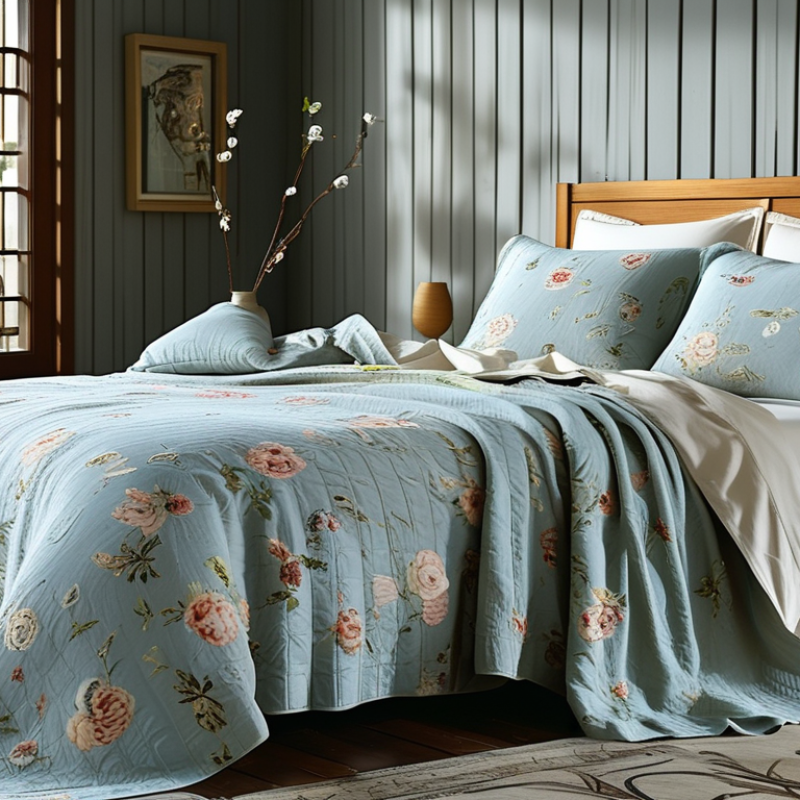
What Is Thread Count and Why It Matters for Bed Sheets
Thread count is a key factor when choosing bed sheets. It refers to the number of horizontal and vertical threads woven into one square inch of fabric. Higher thread counts often suggest a softer and more durable sheet. However, it’s important to note that a high thread count doesn’t always equal better quality. Sometimes, manufacturers inflate thread counts using multi-ply threads, which can be misleading.
When selecting sheets, aim for a thread count between 300 to 500. This range usually offers a good balance of softness and durability. Too low may feel rough, while excessively high counts—like 800 or more—can become heavy and less breathable. Breathability matters, especially for comfort during sleep.
Consider fabric type as well. Cotton is well-regarded for its breathability. Linen offers durability, while bamboo has great moisture-wicking properties. Each material presents its unique feel and fit. Stay informed by reading reviews and checking fabric specifications to ensure you make a wise choice. Adjust your expectations, and remember that sometimes, less is more when it comes to comfort in bed sheets.
Thread Count Comparison for Bed Sheets
This bar chart compares the comfort level of bed sheets based on different thread counts. Higher thread counts generally yield softer and more comfortable sheets, peaking around 600-800 counts.
Understanding Different Thread Counts: Low, Medium, and High
When choosing bed sheets, understanding thread count is essential. Thread count refers to the number of threads woven together per square inch of fabric. Generally, low thread counts range from 200 to 400, while medium counts go from 400 to 600. High thread counts can exceed 600, often providing a softer feel. However, a higher count doesn't always mean better quality.
Recent industry reports suggest that sheets with thread counts between 300 and 500 tend to balance comfort and durability well. They can feel smooth without sacrificing breathability. While high thread counts may seem desirable, they can sometimes indicate the use of thinner threads, diminishing overall strength.
When selecting sheets, pay attention to material quality over sheer thread count. Premium fabrics like Egyptian cotton or linen offer excellent longevity and comfort regardless of thread count.
Consider washing sheets regularly to maintain their softness and hygiene. Over time, high thread count sheets can wear out, losing their luxurious feel. Experimenting with different thread counts may lead to discovering your personal preference, even if it takes some trial and error.
How Thread Count Affects Comfort and Durability of Sheets
Thread count is an important factor in choosing bed sheets. It refers to the number of threads woven into one square inch of fabric. Many believe that a higher thread count guarantees better quality. However, this isn't always true. Comfort often depends on the type of material and how the threads are spun together. A sheet with 300 thread count made from high-quality cotton can feel better than one with 800 thread count made from lower-quality fibers.
Durability is another key aspect affected by thread count. Sheets with a higher thread count can be thicker and more durable. Still, if the threads are too tightly woven, they may lose breathability. Some people notice they feel hotter at night with high thread counts. This can lead to discomfort. It is essential to find a balance between thread count and the fabric type to ensure a good night’s sleep.
Choosing bed sheets is often a personal choice. Individual preferences vary based on comfort and sensitivity to materials. Experimenting with different types and thread counts can be helpful. It’s also vital to remember that not all high thread count sheets are equal. Some may even fray and ball up easily, leading to frustrations. In this quest for the perfect bedding, being informed will make all the difference.
Choosing the Right Material: Cotton, Linen, and Synthetic Options
Choosing the right material for bed sheets is crucial for a good night's sleep. Cotton is a popular choice. It is breathable and soft. Egyptian cotton is known for its durability, while percale cotton offers a crisp feel. The fabric's weaves affect how sheets feel against the skin. Some may prefer sateen for its silky touch. Yet, others might find percale’s coolness desirable.
Linen is another excellent option, especially for warmer climates. It has natural moisture-wicking properties. Linen sheets are known for their textured look and minimal care needs. They become softer with each wash, but they can be pricier. Synthetic fabrics, like polyester blends, can mimic natural fibers. They are often more affordable and wrinkle-resistant. However, they may not offer the breathability that cotton or linen provides.
When selecting sheets, consider personal comfort. Some may prefer the smoothness of satin, while others enjoy the crispness of cotton. Reflecting on your sleeping habits can guide you. Fabric choices play a significant role in how rested you feel. Testing different materials might lead to surprising preferences. It’s important to find what feels right for you.
Tips for Selecting Quality Bed Sheets Beyond Thread Count
Choosing bed sheets can be tricky. While thread count is important, it’s not the only factor. Here are some tips to enhance your selection process.
Pay attention to the fabric type. Cotton is popular for its softness and breathability. However, materials like linen or bamboo offer unique benefits. Linen is highly durable and keeps you cool in summer. Bamboo is eco-friendly and moisture-wicking. Evaluate your own needs before deciding.
Consider the finish and weave of the fabric. Percale offers a crisp, cool feel. Sateen gives a silky, smooth texture. A higher thread count doesn’t always mean better quality. Sometimes, it can lead to a heavier, less breathable sheet. Take the time to feel the fabric; a tactile experience can guide your choice.
Lastly, ensure you check for certifications. Organic options indicate fewer chemicals. Certifications reflect sustainable practices. They enhance your confidence in the quality. Don't overlook these aspects; they can affect your overall sleep quality.
What Thread Count Is Best for Bed Sheets Guide? - Tips for Selecting Quality Bed Sheets Beyond Thread Count
| Thread Count |
Material |
Feel |
Durability |
Breathability |
| 200-400 |
Cotton |
Soft and smooth |
Moderate |
Good |
| 400-600 |
Sateen Cotton |
Luxuriously soft |
High |
Moderate |
| 600-800 |
Egyptian Cotton |
Soft and plush |
Very High |
Good |
| 800-1000 |
Silk |
Silky and smooth |
Moderate |
Excellent |
| 1000+ |
High Thread Count Blends |
Very plush |
Moderate |
Good |
FAQS
: Cotton is a popular choice due to its breathability and softness.
Linen has moisture-wicking properties and becomes softer over time, but it can be more expensive.
Synthetic fabrics, like polyester blends, are affordable but may lack breathability compared to cotton and linen.
Consider fabric type, weave, finish, and personal comfort. These factors impact sleep quality.
No, a higher thread count doesn't always guarantee better quality. It can make sheets heavier and less breathable.
Certifications indicate fewer chemicals and sustainable practices, enhancing your confidence in the quality.
Yes, testing materials can reveal surprising preferences and help you choose what feels right.
Yes, understanding your habits can guide you in selecting the most comfortable material.
Bamboo sheets are eco-friendly and have moisture-wicking properties, offering a unique alternative.
No, different weaves and types, like percale or sateen, offer distinct feels and benefits.
Conclusion
In the quest to determine what thread count is best for bed sheets, it's essential to first understand the concept of thread count itself. Thread count refers to the number of threads woven into one square inch of fabric, impacting both the comfort and durability of the sheets. Generally, sheet thread counts can be categorized as low (under 200), medium (200-400), and high (400 and above), with higher counts often associated with softer, more luxurious fabrics. However, it’s crucial to note that other factors like material quality and weave can significantly influence the overall feel.
When selecting bed sheets, one should consider not only the thread count but also the type of material, such as cotton, linen, or synthetic options. Each material offers unique benefits and comfort levels. Additionally, focusing on elements beyond thread count, such as the manufacturer's reputation and fabric feel, can lead to a more satisfying purchase. Ultimately, while exploring what thread count is best for bed sheets, a holistic approach ensures you're choosing sheets that provide optimal comfort and durability for your bedding needs.
 DETT TexPro
